How to reach Autonomous Finance with AI

//

Apliqo Testimonials: Perfection Fresh

Apliqo Testimonials: Improving TM1 with Apliqo UX at Perfection Fresh

In the context of the Cubewise EDU TM1 and Planning Analytics User Conference held in Sydney from August 21 - 23 2019, Cubewise's Jason Tranfield had the opportunity of catching up with Leslie Bogdan and Jennifer Yang and gather their thoughts on implementing Apliqo UX at Perfection Fresh.

//

1

min read
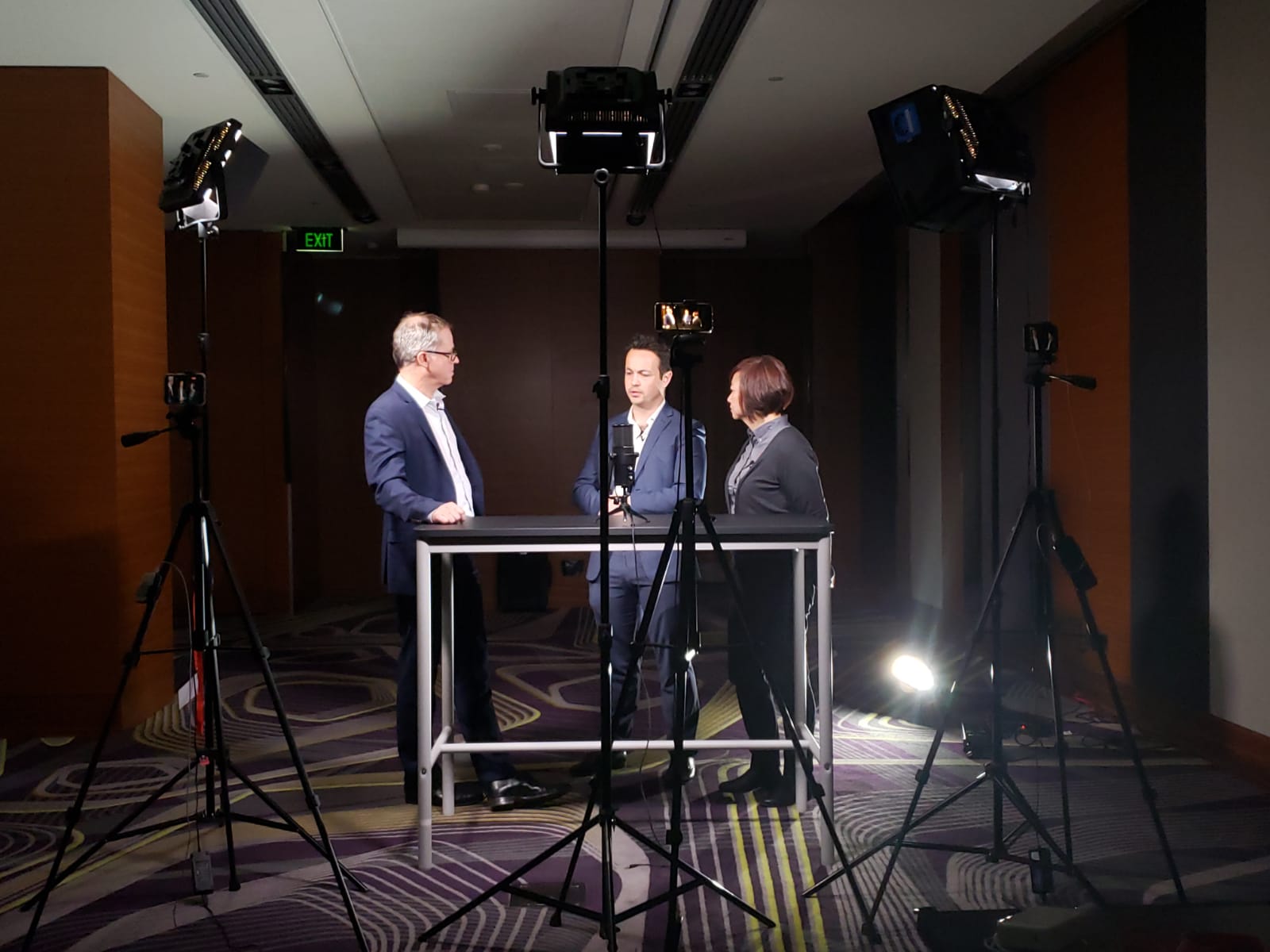
Table Of Contents:

Subscribe to Apliqo Insights

Stay ahead in FP&A with exclusive insights, expert tips, and the latest trends delivered straight to your inbox.

Stay ahead in FP&A with exclusive insights, expert tips, and the latest trends delivered straight to your inbox.

"We are looking to expose the goodness of our TM1 implementation to a wider business community. That is where we see Apliqo UX and all its potential - is really assisting us doing that", says Leslie Bogdan on implementing Apliqo UX at Perfection Fresh.

CASE STUDIES

How

Executive Finance Summit

uses Apliqo

Daniele Tedesco, CEO of Apliqo, let AI agents run a live month-end close, a variance analysis, and a full forecast cycle in front of the room. No slides standing in for the real thing. His argument: the planning rhythm finance has used for 50 years is the actual bottleneck, not the spreadsheets, not the people.

CASE STUDIES

How

Executive Finance Summit

uses Apliqo

Daniele Tedesco, CEO of Apliqo, let AI agents run a live month-end close, a variance analysis, and a full forecast cycle in front of the room. No slides standing in for the real thing. His argument: the planning rhythm finance has used for 50 years is the actual bottleneck, not the spreadsheets, not the people.

CASE STUDIES

How

Executive Finance Summit

uses Apliqo

Daniele Tedesco, CEO of Apliqo, let AI agents run a live month-end close, a variance analysis, and a full forecast cycle in front of the room. No slides standing in for the real thing. His argument: the planning rhythm finance has used for 50 years is the actual bottleneck, not the spreadsheets, not the people.

Related Articles: