How to reach Autonomous Finance with AI

//

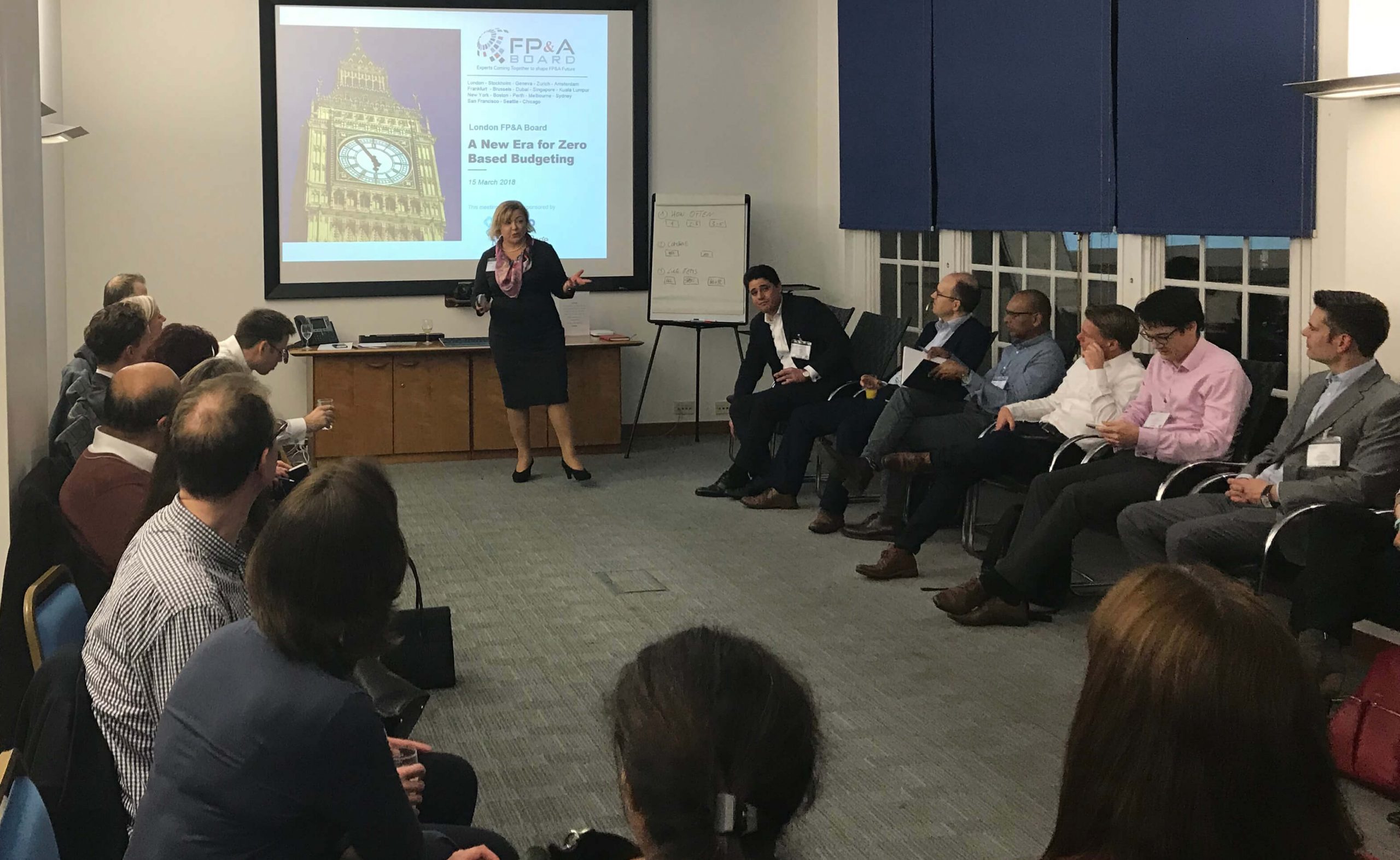
2018年伦敦FP&A董事会会议

Apliqo Insights:伦敦FP&A董事会会议2018

在2018年伦敦FP&A董事会会议上,半数与会者使用了零基预算(ZBB),赞扬其成本效益,但指出了高昂的行政需求。大多数人更倾向于每2-3年使用一次ZBB,并针对特定项目。来自本田英国和卡夫亨氏的案例研究突出了成功整合的经验。

//

2

min read
目录

会议的关键见解
案例研究

Subscribe to Apliqo Insights

Stay ahead in FP&A with exclusive insights, expert tips, and the latest trends delivered straight to your inbox.

Stay ahead in FP&A with exclusive insights, expert tips, and the latest trends delivered straight to your inbox.

一个关键问题是公司是否看到了ZBB的新纪元。我们在成功的会议中回顾了一个出色的观众。

会议的关键见解
  • 大约50%的参与者在他们的组织中使用或实施了ZBB。总体反馈是ZBB的最大优势是挑战现状,获得更多见解并减少成本。实施时间和行政工作量是最大的劣势。

  • 60%的与会者表示他们会每2-3年进行一次ZBB,而38%的人倾向于每年进行一次。

  • 70%的与会者更喜欢对特定项目(PL和BS)使用ZBB,而不是将其推广到所有项目。

  • 几乎100%的人同意ZBB可以与其他最佳实践方法如自上而下或基于驱动的规划完美结合。


案例研究

两项非常有趣的案例研究被介绍。威廉·霍威尔(Honda UK制造部FP&A负责人)分享了他在“链接ZBB和驱动型规划”方面的经验,汤姆·范欧维舍尔德(Capita财务与会计运营总监,曾负责Kraft Heinz的ZBB)谈到了他在Kraft Heinz的经验以及ZBB如何成为他们DNA的一部分。

在工作组会议期间,与会者讨论并展示了成功实施ZBB的关键步骤。结论是ZBB是一种完美的方法来简化组织,但由于工作量,与会者更愿意不每年使用它。

以下概述是一个路线图,说明了公司如何实施ZBB。

此次活动由全球FP&A趋势合作伙伴Apliqo和Michael Page主办和赞助。

案例研究

怎么

Executive Finance Summit

使用 Apliqo

Daniele Tedesco, CEO of Apliqo, let AI agents run a live month-end close, a variance analysis, and a full forecast cycle in front of the room. No slides standing in for the real thing. His argument: the planning rhythm finance has used for 50 years is the actual bottleneck, not the spreadsheets, not the people.

案例研究

怎么

Executive Finance Summit

使用 Apliqo

Daniele Tedesco, CEO of Apliqo, let AI agents run a live month-end close, a variance analysis, and a full forecast cycle in front of the room. No slides standing in for the real thing. His argument: the planning rhythm finance has used for 50 years is the actual bottleneck, not the spreadsheets, not the people.

案例研究

怎么

Executive Finance Summit

使用 Apliqo

Daniele Tedesco, CEO of Apliqo, let AI agents run a live month-end close, a variance analysis, and a full forecast cycle in front of the room. No slides standing in for the real thing. His argument: the planning rhythm finance has used for 50 years is the actual bottleneck, not the spreadsheets, not the people.

Related Articles: